

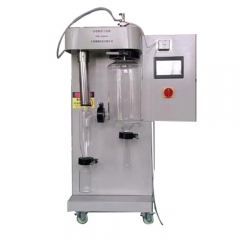
High quality 1.5L scale lab spray dryer equipment
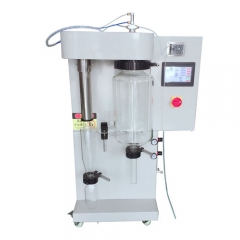
Lab scale spray dryer is suitable for the production of in universities, research institutes and food and pharmaceutical chemical enterprises.
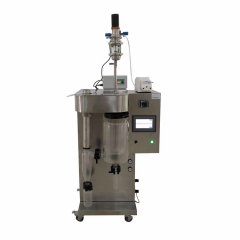
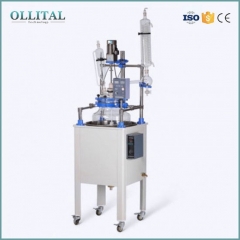
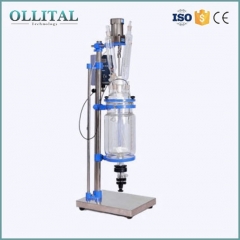
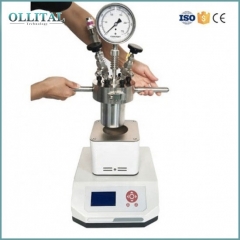
Spray drying is widely used in laboratories to convert liquid samples into dry powders for further analysis, formulation development, material research, and process optimization. However, selecting a suitable laboratory spray dryer is not simply a matter of choosing a model with the highest capacity or most functions.
Different research projects may involve completely different sample characteristics. A protein solution, pharmaceutical formulation, polymer material, or organic solvent system can require different equipment configurations, materials, and operating conditions.
Before purchasing a laboratory spray dryer, researchers need to consider several key factors, including sample properties, drying objectives, solvent type, temperature requirements, powder collection performance, and future scale-up plans.
Choosing the right configuration at the beginning can improve experimental repeatability and reduce limitations during later research stages.
The first step in selecting a laboratory spray dryer is understanding the material being processed. Spray drying performance depends heavily on the physical and chemical properties of the feed solution, suspension, or emulsion.
Important sample factors include:
The viscosity of the feed material affects atomization performance. Materials with higher viscosity may require suitable feeding systems or optimized operating parameters to achieve stable spraying.
Solid content also influences powder yield and particle characteristics. A sample with very low solid concentration may require additional optimization to improve collection efficiency.
Many laboratory samples contain components that may be sensitive to temperature, such as:
Although spray drying uses hot air, the evaporation process can reduce the actual exposure time of particles to high temperature. However, inlet temperature, outlet temperature, and residence time still need to be carefully controlled.
For heat-sensitive materials, accurate temperature monitoring and adjustable operating conditions are important factors when selecting a laboratory spray dryer.
The solvent system directly affects equipment selection.
For example:
Before purchase, users should confirm whether the equipment configuration matches the solvent characteristics used in their experiments.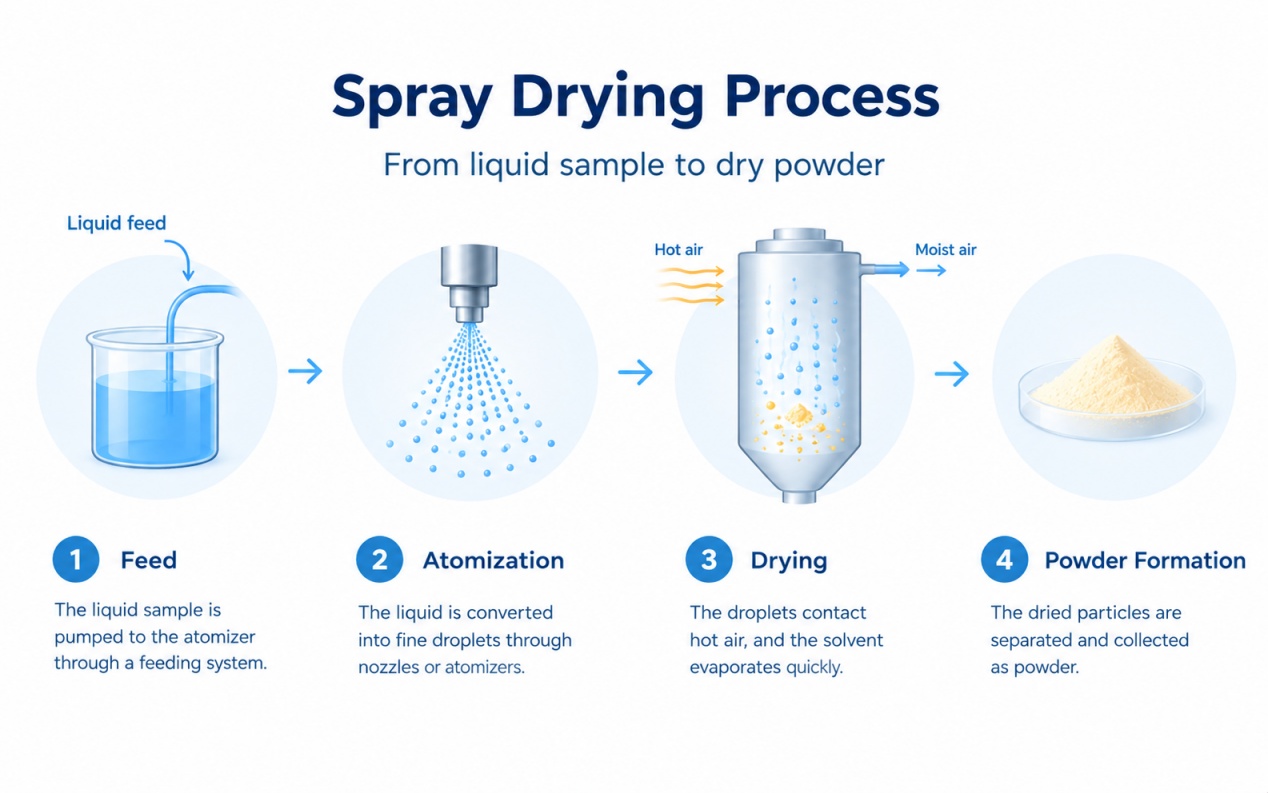
One of the most common questions during spray dryer selection is whether to choose a glass system or a stainless steel system. Both configurations have advantages, but they serve different research needs.
Glass spray dryers are often preferred during early-stage research because researchers can visually observe the drying process.
Advantages include:
The transparent chamber allows researchers to observe phenomena such as droplet atomization, powder movement and wall deposition. This can be valuable when optimizing experimental parameters.
With these advantages, glass systems are commonly used in:
Stainless steel spray dryers are commonly selected for applications requiring higher chemical resistance, stronger durability, or compatibility with specific solvents.
Advantages include:
They are often considered when users work with:
The choice between glass and stainless steel should depend on the actual experimental requirements rather than simply equipment appearance.
Laboratory spray dryers are designed for research and development rather than large-scale production. However, different laboratories still have different throughput requirements.
Before purchasing, users should consider:
A small research project may only require a compact lab spray dryer for preliminary formulation screening.
However, laboratories performing frequent experiments or developing processes that may later move toward pilot production may benefit from equipment with greater flexibility. Selecting an appropriate capacity helps avoid two common problems: insufficient drying capability during experiments and unnecessary investment in oversized equipment.
Atomization is one of the most important steps in spray drying. That’s because during the process, liquid feed is converted into fine droplets. These droplets contact hot drying gas, allowing rapid solvent evaporation and powder formation. Different atomization methods can influence:·particle size
When selecting a laboratory spray dryer, users should consider whether the system provides sufficient control over atomization parameters for their research objectives. For example, pharmaceutical and material research may require more attention to particle characteristics, while some general sample preparation applications may focus more on drying efficiency and repeatability.
Temperature control directly affects spray drying results. A suitable laboratory spray dryer should allow researchers to monitor and adjust important parameters such as:
The inlet temperature determines the heat input, while the outlet temperature reflects the actual drying condition experienced by the particles.
For sensitive materials, outlet temperature is often an important reference parameter because it is related to final product characteristics.
Stable temperature control helps improve experimental repeatability, powder quality consistency and process optimization efficiency.
Powder recovery is another important consideration before purchase. During spray drying, fine particles may remain in the drying chamber or exhaust system if the collection design is not optimized.
A suitable collection system helps to improve powder recovery, reduce sample loss and simplify post-processing. For valuable research samples, especially pharmaceutical compounds or advanced materials, recovery efficiency can directly influence experimental cost.
Laboratory research often involves frequent sample changes. Therefore, equipment cleaning should be considered before purchase. A spray dryer with a practical structure can help users:
This is especially important for laboratories working with multiple formulations or different material systems. The easier the equipment is to clean and operate, the more efficiently researchers can conduct repeated experiments.
A laboratory spray dryer is often purchased as part of a longer research process. Before making a decision, users should consider whether the equipment can support future needs.
Questions to consider include:
Choosing a flexible system can provide more value over the entire research cycle.
| Selection Factor | Questions to Consider |
|---|---|
| Sample type | Is the material water-based, organic solvent-based, heat-sensitive, or corrosive? |
| Capacity | How much sample needs to be processed in each experiment? |
| Material | Is glass or stainless steel more suitable for the application? |
| Temperature control | Can the system maintain stable and adjustable drying conditions? |
| Atomization | Does the system meet particle size and powder requirements? |
| Collection | Is powder recovery sufficient for valuable samples? |
| Cleaning | Can the equipment be cleaned efficiently between experiments? |
| Future needs | Can the system support future research expansion? |
There is no single “best” laboratory spray dryer for every research project. A suitable choice depends on the relationship between:
For food research, choosing a lab spray dryer for food requires attention to sample stability, powder characteristics, cleaning requirements, and drying repeatability.
Q1: What should I consider first when buying a laboratory spray dryer?
A1: The first consideration should be your sample characteristics, including solvent type, heat sensitivity, viscosity, and expected powder properties. These factors determine the suitable equipment configuration.
Q2: Is a glass spray dryer better than a stainless steel spray dryer?
A2: Neither is universally better. Glass spray dryers provide visual observation and convenient cleaning, while stainless steel systems offer stronger durability and broader application possibilities.
Q3: Can a laboratory spray dryer be used for pharmaceutical research?
A3: Yes. Laboratory spray dryers are commonly used in pharmaceutical research for formulation development, powder preparation, and process optimization.
Q4: How do I choose the right spray dryer capacity?
A5: Capacity should match your experimental scale, sample volume, and future research requirements. Selecting a suitable capacity avoids both insufficient performance and unnecessary investment.
Selecting the right laboratory spray dryer requires matching equipment configuration with actual research requirements.
Ollital provides laboratory spray drying solutions for different research applications, helping users select suitable systems based on sample characteristics, drying objectives, and experimental needs.
If you are planning a spray drying experiment, contact Ollital to discuss your application requirements and find a suitable configuration.



 +86 15960821529
 kevin@ollital.comkevinollital@gmail.com
 +86 15960821529
 +8615960821529


