
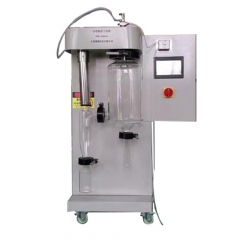
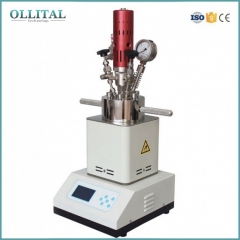
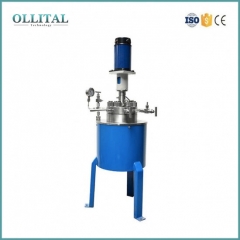
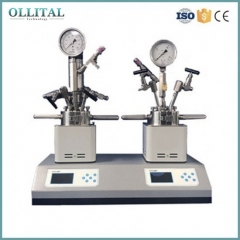
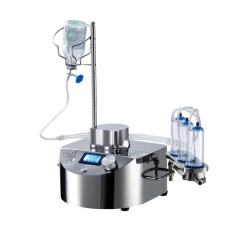
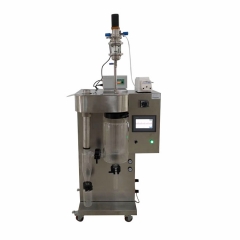
High quality 1.5L scale lab spray dryer equipment
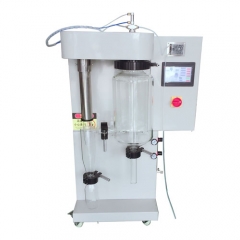
Lab scale spray dryer is suitable for the production of in universities, research institutes and food and pharmaceutical chemical enterprises.
Two-roll mills are extensively applied in rubber and polymer laboratories for material compounding and formulation R&D. During daily operation, electrical defects, control system breakdowns or safety device failures may result in startup failure or abnormal machine response. Based on the original factory operation manual, this guide outlines typical two-roll mill faults, potential root causes and recommended remedial actions.
Important Safety Notice: If the rollers cannot stop upon emergency stop trigger or safety door activation, cut off the main power supply immediately only when safe to do so. The machine must remain out of operation until faults are fully fixed and all safety functions are validated.
Possible Causes: Abnormal power supply or wiring fault; burnt indicator lamp or damaged indicator wiring; faulty main power switch.
Corrective Actions: Arrange a certified electrician to check and restore power supply; examine the indicator circuit and replace the lamp if damaged; replace the defective main power switch.
Solutions vary depending on whether rollers run normally. If rollers operate normally, the forward indicator lamp is likely damaged. Inspect the indicator circuit and replace the lamp as required. If rollers fail to rotate, root causes may include faulty safety door limit switch, engaged or broken emergency stop button, tripped thermal overload relay, defective AC contactor or motor damage. Ask qualified maintenance staff to inspect related components, identify overload trip triggers, and repair or replace faulty parts.
Never bypass protective devices to restart the machine.
Possible Cause: Welded AC contactor which cannot disconnect the motor circuit.
Corrective Actions: Cut off main power supply immediately under safe conditions. Keep the machine shut down. Request a certified technician to inspect and replace the defective AC contactor. Validate emergency stop function before restarting production.
Possible Cause: Malfunctioning safety door limit switch.
Corrective Actions: Cease machine operation and isolate power supply. Let a qualified technician inspect the switch, calibrate it to proper working position or replace it if broken. Confirm safety interlock response works properly before putting the mill back into service.
Do NOT bypass safety door interlock for continuous operation.
Possible Causes: Defective timer relay circuit; damaged AC contactor; faulty positioning switch.
Corrective Actions: Have a certified technician check the timer relay circuit and replace faulty relay if needed; inspect and change the AC contactor once defect is confirmed; test positioning switch and replace upon malfunction. After maintenance, verify roller actions and related safety functions strictly in accordance with the machine operation manual.
Minimize unplanned downtime with these practices: Perform regular inspection on indicator lights and external control components; diagnose the root cause of thermal overload trips before resetting the relay; comply with the manufacturer’s scheduled maintenance plan; maintain complete records of fault symptoms, repair works and functional verification results; entrust electrical repairs and safety device calibration only to qualified professionals; after any repair involving control or safety systems, complete function verification before normal operation resumes.
If you are unable to solve it by yourself, please contact OLLITAL either by phone or email immediately.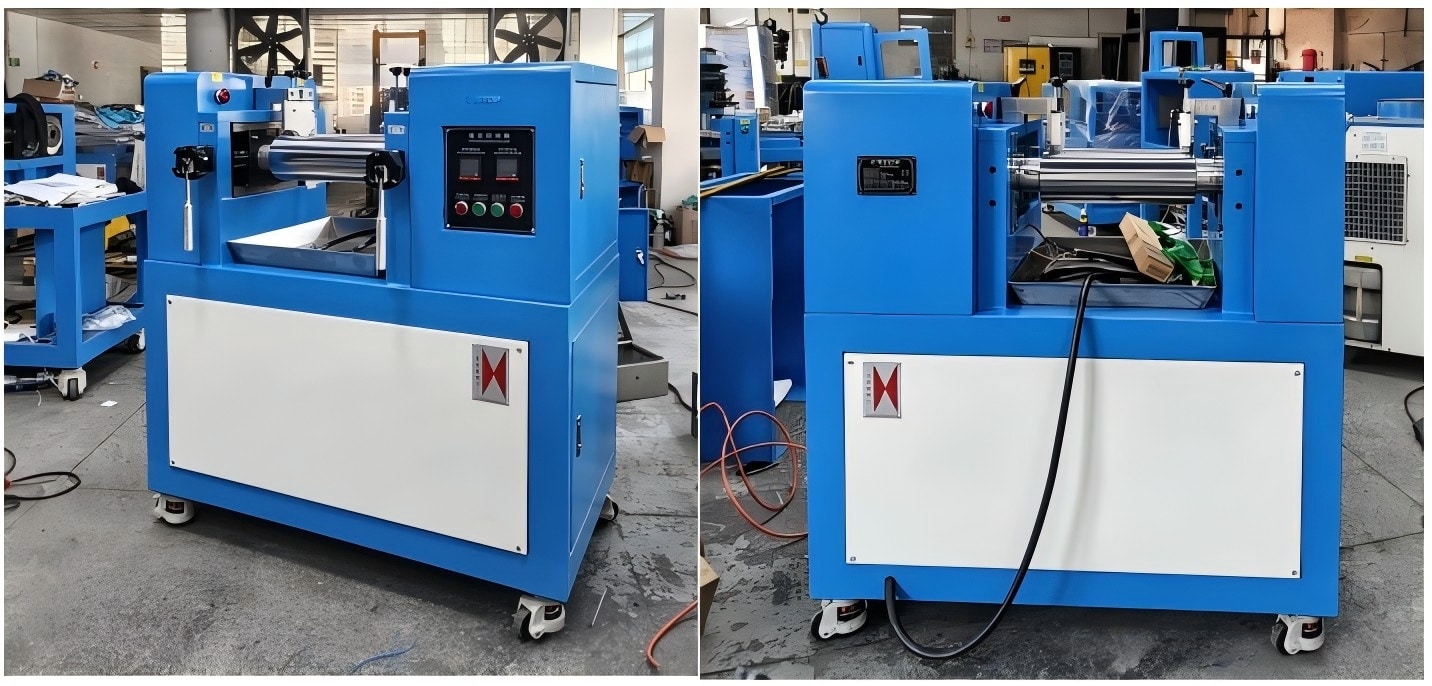



 +86 15960821529
 kevin@ollital.comkevinollital@gmail.com
 +86 15960821529
 +8615960821529


