


Startseite
/
/


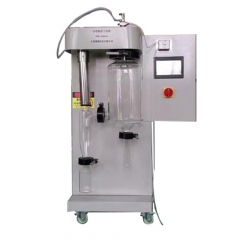
High quality 1.5L scale lab spray dryer equipment
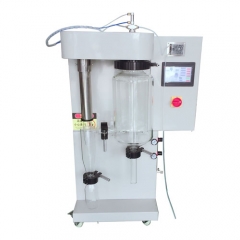
Lab scale spray dryer is suitable for the production of in universities, research institutes and food and pharmaceutical chemical enterprises.







A hydraulic vulcanizing press is often associated with rubber manufacturing, but its applications go beyond traditional rubber products. From silicone components and plastic sheets to household goods and custom industrial parts, heated hydraulic presses play an important role in modern material processing.
The combination of controlled temperature and hydraulic pressure makes this equipment suitable for a variety of molding and hot-pressing applications. The exact process depends on the material being used.
Rubber is one of the most common materials processed using a hydraulic rubber vulcanizing press.
During vulcanization, uncured rubber is placed inside a mold and exposed to controlled heat and pressure. The heat activates the curing agents in the rubber compound, creating cross-links between polymer chains. This improves elasticity, strength, and resistance to wear.
Typical applications include:
For manufacturers producing different rubber components, a flat vulcanizing press offers flexibility in mold design, platen size, and operating conditions.
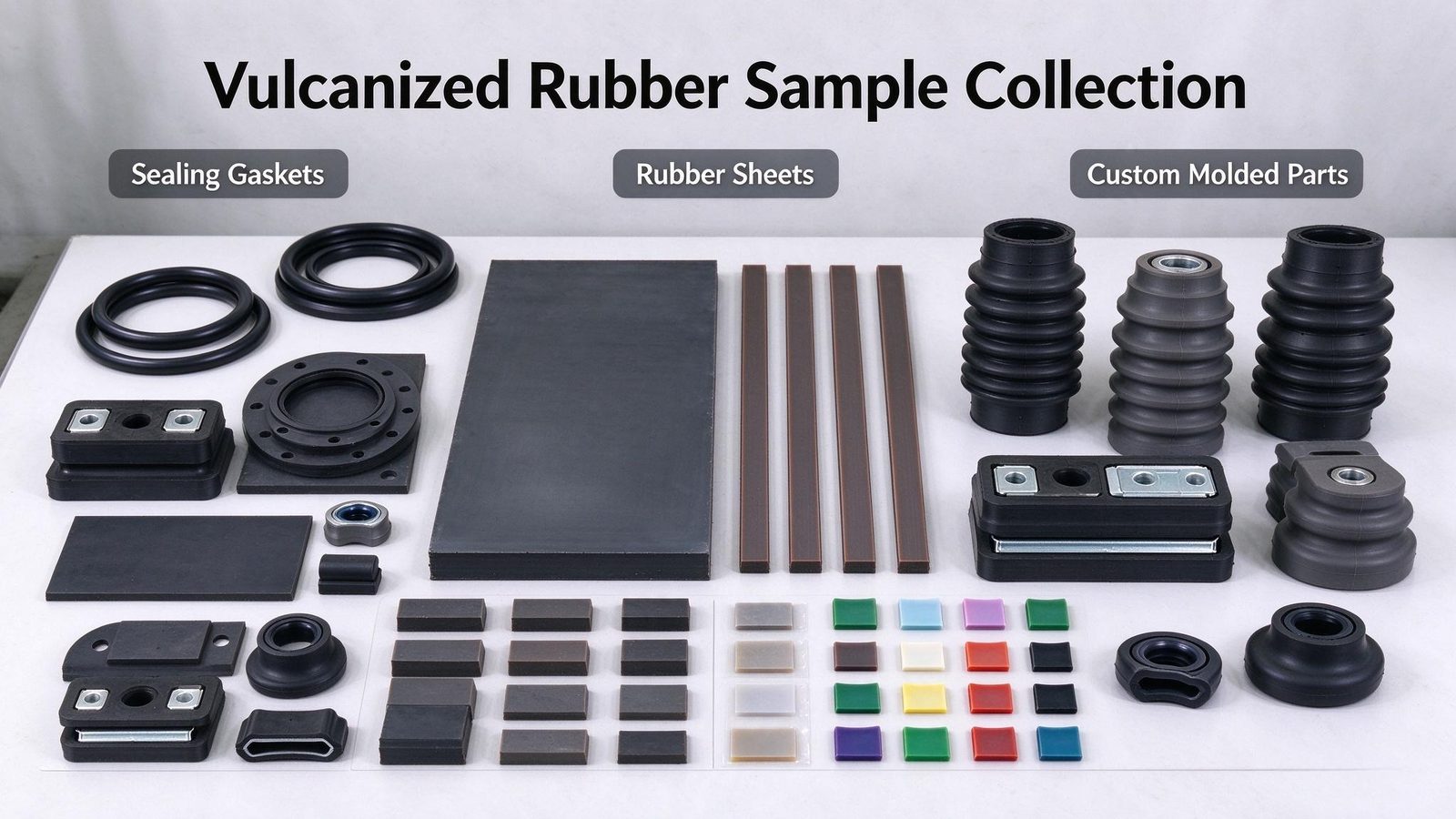
Silicone is widely used because of its flexibility, temperature resistance, and durability.A hydraulic hot press can be used to mold silicone materials into products with specific shapes and dimensions. Depending on the silicone formulation, the process may involve heat curing or compression molding.Common examples include silicone gaskets, sealing rings, kitchen accessories, protective covers, medical-related components, and custom silicone parts.
For these applications, accurate temperature control and even pressure distribution are important for achieving consistent results across the finished products.
Although vulcanization specifically refers to rubber curing, hydraulic heated presses can also process certain plastic materials through hot pressing, compression molding, and lamination.
Depending on the material and mold design, applications may include:
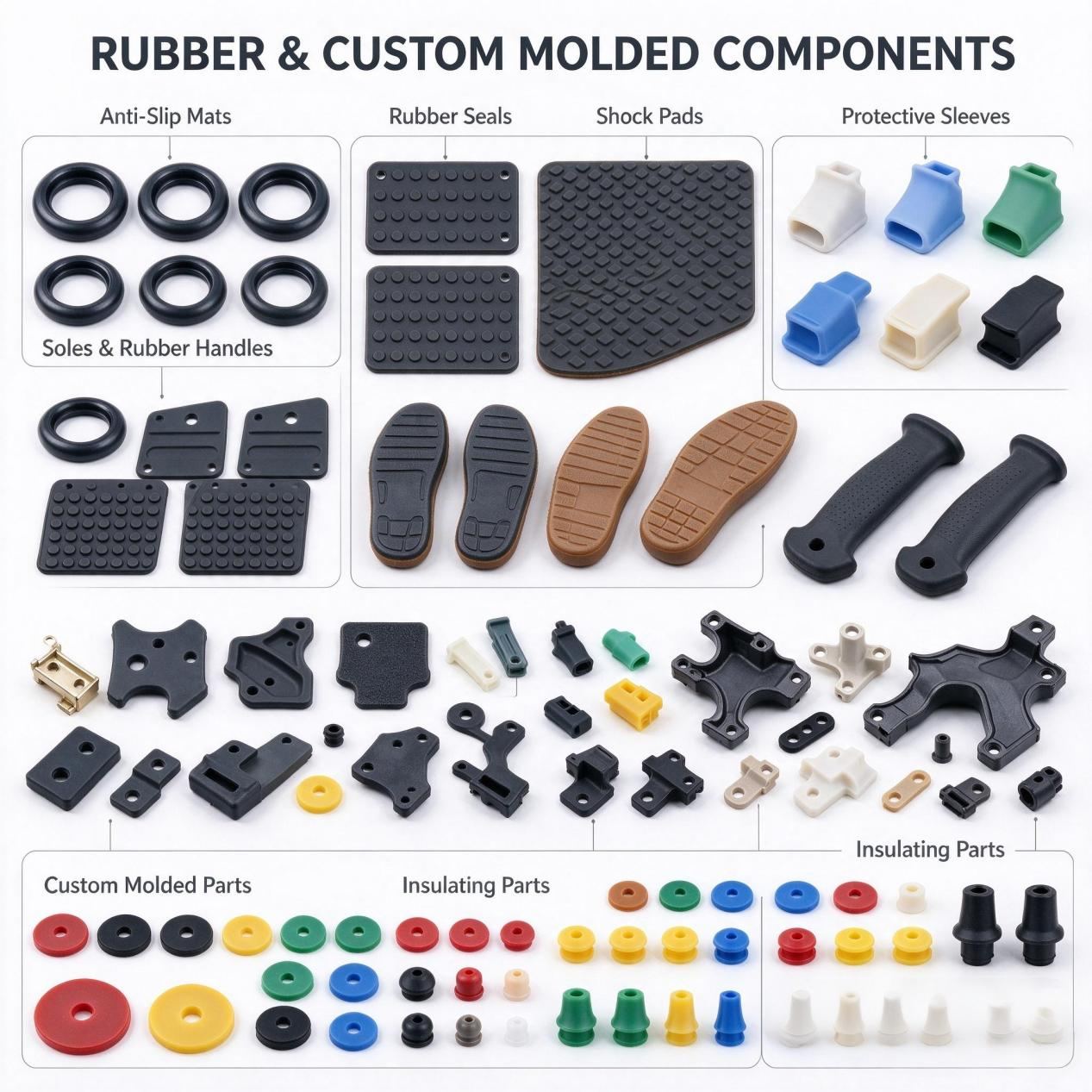
Not every plastic is suitable for the same pressing process. Thermoplastics and thermosetting materials behave differently when heated, so processing temperature, pressure, and cooling requirements must be matched to the material.
This makes a plastic hot pressing machine or appropriately configured hydraulic press useful for selected plastic processing applications.
Many products used in everyday life are made through rubber, silicone, or plastic molding processes.Examples include kitchen mats, non-slip pads, household seals, protective covers, shoe soles, rubber handles, insulation components, and various molded accessories.
For small manufacturers, research laboratories, and product developers, a hydraulic vulcanizing press can provide a practical way to test new materials, develop molds, and produce small batches of custom products.
The ability to change molds also makes the equipment useful for manufacturers handling different product designs.
Before purchasing a machine, consider the material type, mold dimensions, required pressure, working temperature, and production volume. These factors determine the appropriate press capacity and configuration.
At OLLITAL, we provide hydraulic pressing equipment for different rubber and plastic processing applications. Our team works with customers to evaluate their materials, mold requirements, and production goals before recommending a suitable machine configuration.
Whether you are manufacturing industrial rubber components, silicone products, or selected plastic materials, choosing the right pressing solution starts with understanding the process behind your product.



 +86 15960821529
 kevin@ollital.comkevinollital@gmail.com
 +86 15960821529
 +8615960821529